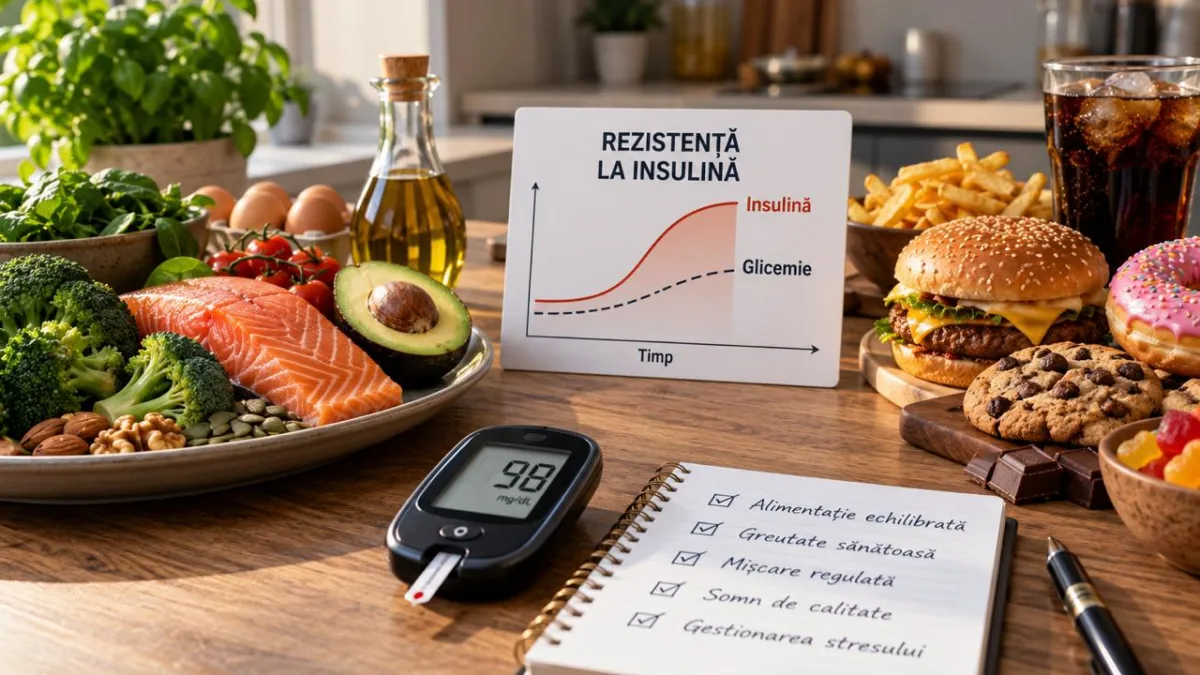
Fatty liver: what you need to know and what you can change

Anatol Maidanschi, nutritionist
3 min read
Fatty liver is not a problem you solve with a box of pills alone.
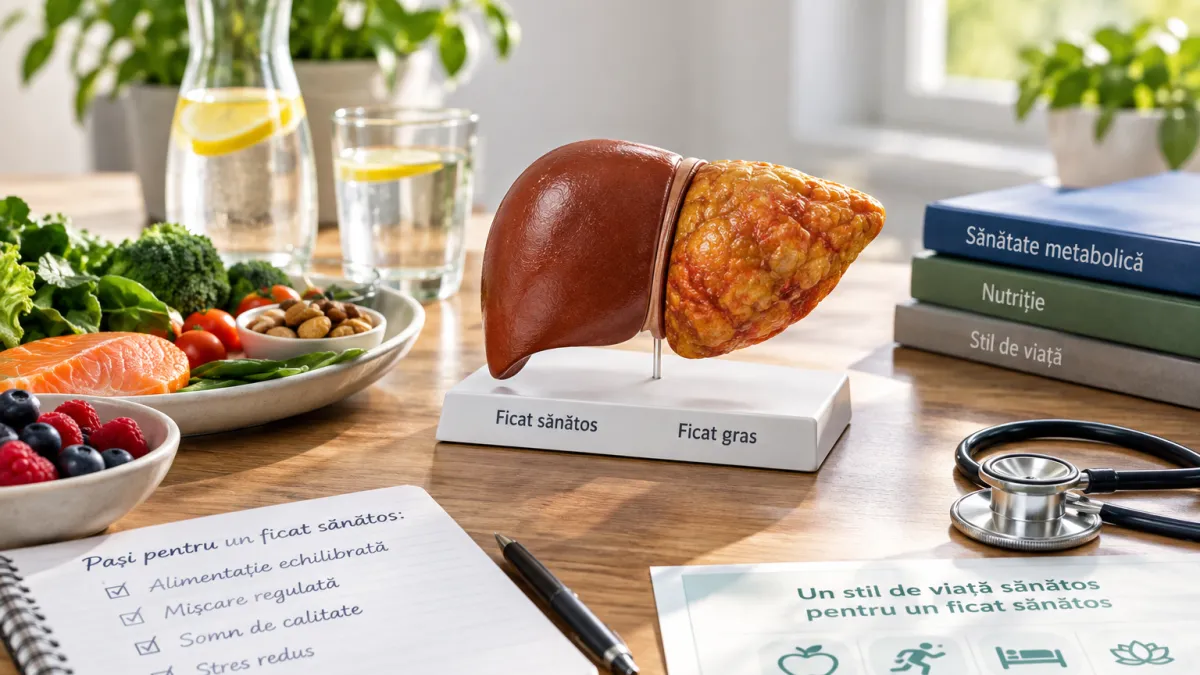
When people hear “you have a fatty liver” at an ultrasound, the first reaction is often panic.
- “Is it serious?”
- “What medication do I need to take?”
- “How long will it take for my liver to recover?”
The problem is that many people know very little about the concrete steps they need to take. They get a treatment, follow it for a few weeks and believe that, once it’s over, the liver has fully recovered.
Then they go back to the same eating habits and the same lifestyle.
In my view, this is where one of the biggest mistakes happens.
Fatty liver is not a problem you solve with a box of pills alone.
The liver has a very good capacity to regenerate, but it needs time, consistency and a change in the factors that contributed to the problem.
Fatty liver is often associated with excess weight, insulin resistance, type 2 diabetes, high triglycerides and other metabolic problems. Current medical literature increasingly uses the term MASLD – metabolic dysfunction-associated steatotic liver disease.
What really matters?
In people with excess weight, losing weight can help reduce fat in the liver. Medical data show that losing about 3–5% of body weight can reduce liver fat, while reducing inflammation and fibrosis may require greater weight loss.
But that doesn’t mean you need to go on an extreme diet.
The goal is not to lose weight as fast as possible, but to build a way of eating you can keep up.
How I approach the problem
When I work with someone who is overweight and has told me they have a fatty liver, I don’t just look at the number on the scale.
I take into account their test results, how they feel in general, their work schedule, how much they move, how they sleep, how much they rest and what their eating habits are.
Based on this information, I build an individual eating plan.
I cut back on the foods and habits that contribute to excess calories and metabolic imbalances, and build a more balanced eating pattern adapted to the person.
At the same time, I recommend physical activity suited to their level of fitness, and attention to sleep, rest and stress.
Movement matters even when the person doesn’t do any organised sport. Physical activity can benefit the liver and metabolic health even without a large weight loss.
What about supplements?
Here we need to be careful.
There is no supplement that will “cleanse the liver” in a few days.
Some supplements can be used in certain situations, but they need to be chosen individually, based on test results, treatments and the person’s condition. Some herbal products can even harm the liver.
When the situation calls for it, supplement recommendations should be made together with the doctor who is following the client.
What I want you to remember
If you have a fatty liver, don’t panic.
But don’t ignore the problem either.
Talk to your doctor, check your test results, and take an honest look at your diet, weight, movement, sleep and lifestyle.
And above all, be patient.
Don’t try to fix in a few weeks what was built over years. Take the right steps and be patient with your body.
— Anatol Maidanschi, nutritionist
Questions for you
Have you ever been told you have a fatty liver?
What was the first question that came to mind?
Send me a message — I read and reply personally.
What should we look at in the next article?
Thank you for voting!
Sources
- Treatment for NAFLD & NASH. National Institute of Diabetes and Digestive and Kidney Diseases (NIDDK), NIH, 2021.
This article is for educational purposes and does not replace a medical consultation, diagnosis or treatment.